
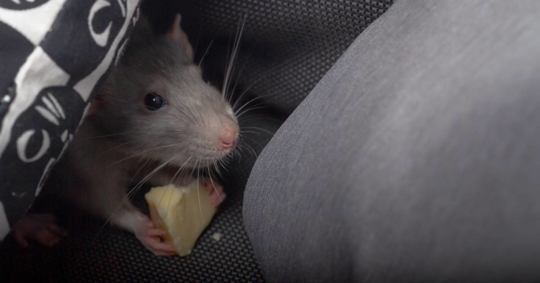
No homeowner wants to share their space with unwanted guests, especially the furry, four-legged kind. Rodents like mice and rats can cause serious problems in your St. Louis home, from gnawed wires and contaminated food to potential health hazards for your family. The good news? Catching the warning signs early can help you take action before a small problem becomes a major headache.
Think you might have rodents in your home? Don't wait—early detection is key. Contact Arenz Pest Management Solutions, Inc. today by calling (636) 306-3931 or filling out our online contact form to schedule an inspection.
Why Rodents Are Attracted to St. Louis Homes
St. Louis's seasonal temperature swings make local homes especially appealing to rodents. When fall temperatures drop and winter approaches, mice and rats start searching for warm shelter, food, and water. Your home offers all three in abundance.
Rodents can squeeze through openings as small as a dime for mice or a quarter for rats. Once inside, they reproduce quickly—a single female mouse can have 5 to 10 litters per year, with each litter containing 5 to 6 babies. This means a small problem can explode into a full-blown infestation in just a few months if left unchecked.
Common Signs of Rodent Activity
Knowing what to look for can help you catch rodent problems before they spiral out of control. Here are the most common indicators that you're sharing your home with these pests.
Droppings and Urine Odors
Rodent droppings are one of the most obvious signs of an infestation. Mouse droppings are small—about the size of a grain of rice—dark brown or black, and pointed at the ends. Rat droppings are larger, roughly the size of a raisin, and more capsule-shaped.
You'll typically find droppings along walls, in cabinets, under sinks, in pantries, or near food sources. Fresh droppings appear moist and dark, while older ones become dry, gray, and crumbly. If you notice droppings in multiple areas of your home, this suggests active and possibly widespread rodent activity.
Another telltale sign is a strong, musky odor. Rodent urine has a distinctive ammonia-like smell that becomes more noticeable in enclosed spaces like closets, attics, or crawl spaces. If you detect an unusual, persistent odor you can't identify, rodents might be the cause.
Gnaw Marks and Property Damage
Rodents have teeth that never stop growing, which means they constantly need to chew to keep them trimmed down. This behavior leads to visible damage throughout your home. Look for gnaw marks on:
- Food packaging, especially cardboard boxes, plastic bags, and paper goods
- Electrical wiring and cables (a serious fire hazard)
- Wooden furniture, baseboards, and door frames
- Insulation in attics and walls
- Pipes and plastic plumbing fixtures
Fresh gnaw marks appear lighter in color and become darker as they age. You might also notice shredded paper, fabric, or insulation that rodents have gathered to build nests.
Scratching and Scurrying Noises
Rodents are most active at night, so if you hear scratching, scurrying, or squeaking sounds after dark, you likely have visitors. These noises commonly come from walls, ceilings, attics, or between floors as rodents travel through your home's hidden spaces.
Pay special attention to sounds near the kitchen, where food is stored, or in areas with water access like bathrooms and laundry rooms. If you consistently hear these noises in the same location, rodents have probably established a travel route or nesting area nearby.
Grease Marks and Rub Marks
As rodents travel along the same paths repeatedly, the oils from their fur leave dark, greasy smears on walls, baseboards, and floors. These marks are called "rub marks" and indicate well-traveled rodent pathways.
Look for these marks along the edges of rooms where the walls meet the floor—rodents prefer to travel along edges rather than across open spaces because it makes them feel safer from predators. The darker and more prominent these marks appear, the more frequently rodents are using that route.
Nests and Nesting Materials
Rodents build nests in quiet, hidden areas where they feel protected. Common nesting spots include attics, wall voids, crawl spaces, behind appliances, and in storage boxes. Rodent nests look like loosely woven balls made from shredded materials such as:
- Paper products (newspapers, cardboard, tissue)
- Fabric scraps from clothing or upholstery
- Insulation pulled from walls or attics
- Dried plant material from outdoors
If you discover a nest, there's a good chance rodents are actively living in your home. Finding a nest means immediate action is needed to address the problem.
Tracks and Footprints
In dusty or dirty areas like basements, attics, and garages, you might spot rodent tracks. Mouse tracks show four toes on the front feet and five on the back, while rat tracks are larger and more defined.
To check for tracks in areas where you suspect rodent activity, try sprinkling a light layer of flour or talcum powder on the floor in the evening. Check the next morning for any footprints or tail drag marks.
Pet Behavior Changes
Your pets often detect rodents before you do. Dogs and cats have keen senses of smell and hearing that can pick up on rodent activity even when signs aren't obvious to humans.
Watch for unusual behaviors like pawing at walls or floors, staring intently at specific areas, barking or meowing at seemingly nothing, or becoming fixated on certain rooms. These behaviors may indicate your pet has detected rodents hiding in your home's structure.
Where to Look for Rodent Signs in Your Home
Now that you know what signs to look for, it's important to know where rodents are most likely to leave evidence of their presence.
Kitchen and Pantry Areas
Rodents are drawn to kitchens because of easy access to food. Check behind and under appliances, inside cabinets and pantries, under the sink, and in any areas where food is stored. Look for chewed packaging, droppings, and grease marks along cabinet edges.
Attics and Basements
These spaces provide perfect nesting opportunities because they're quiet and rarely disturbed. Look for droppings, nests, gnawed insulation, and entry points where pipes or wires enter your home.
Garages and Storage Areas
Stored boxes, especially those containing paper or fabric items, attract rodents looking for nesting materials. Check along walls, in corners, and behind stored items for signs of activity.
Around Your Home's Foundation
Walk around your home's exterior and look for gaps, cracks, or holes where rodents might enter. Pay special attention to areas where utilities enter the building, around doors and windows, and where different building materials meet.
Health and Safety Concerns
Beyond property damage, rodents pose genuine health risks to your family. They can carry diseases like hantavirus, salmonella, and leptospirosis, which spread through contact with rodent droppings, urine, or saliva. Rodents can also bring fleas, ticks, and mites into your home, adding another layer of concern.
Additionally, gnawed electrical wiring creates a fire hazard that puts your entire home at risk. The combination of health threats and potential property damage makes quick action essential when you spot signs of rodent activity.
Taking the Next Steps
If you've identified one or more of these warning signs in your St. Louis home, it's time to address the situation. While DIY traps and deterrents might catch an individual mouse or rat, they rarely solve larger infestations or prevent future problems. Professional rodent control addresses both the current infestation and the conditions that allowed rodents to enter your home in the first place.
A thorough home pest control inspection can identify entry points, nesting areas, and the extent of your rodent problem. Professionals can also provide guidance on preventing future infestations through exclusion work—sealing gaps and holes—and making your home less attractive to these unwanted visitors.
Protect Your St. Louis Home from Rodents Today
Don't let rodents cause damage to your home or put your family's health at risk. If you've noticed any of these warning signs, the team at Arenz Pest Management Solutions, Inc. is here to help. We understand the unique challenges St. Louis homeowners face with rodent pressure, especially during the colder months.
Contact us by calling (636) 306-3931 or using our online contact form to schedule a comprehensive inspection and take back control of your home.